Are retro handhelds legal? How to play your own games
Buying a retro handheld is perfectly legal. What you put on it is where the law starts to matter. This guide explains, in plain English, what US copyright law allows, what it does not, and the clean ways to fill a handheld with games: the cartridges and discs you own, homebrew, official re-releases and cartridge consoles.

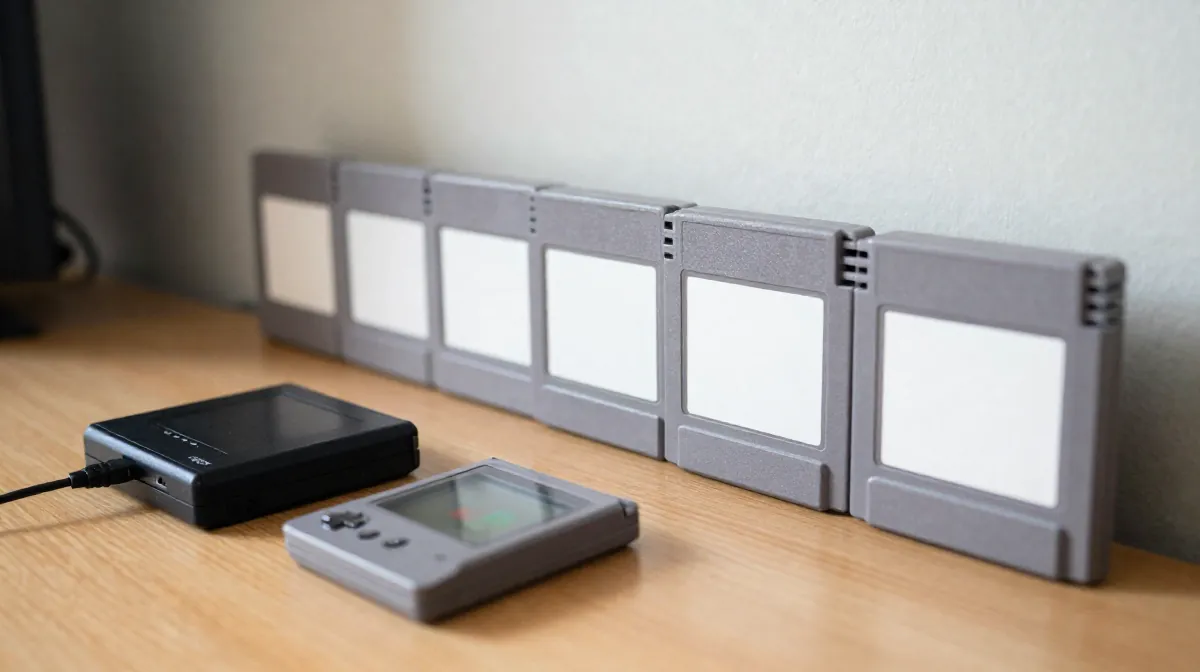
Is it legal to own a retro handheld?
Yes. A retro handheld is a small computer, and the emulators it runs are programs that imitate old console hardware. Writing and distributing an emulator is legal in the US: emulator makers have been to court and won, as long as the emulator itself contains no copyrighted code from the console maker.
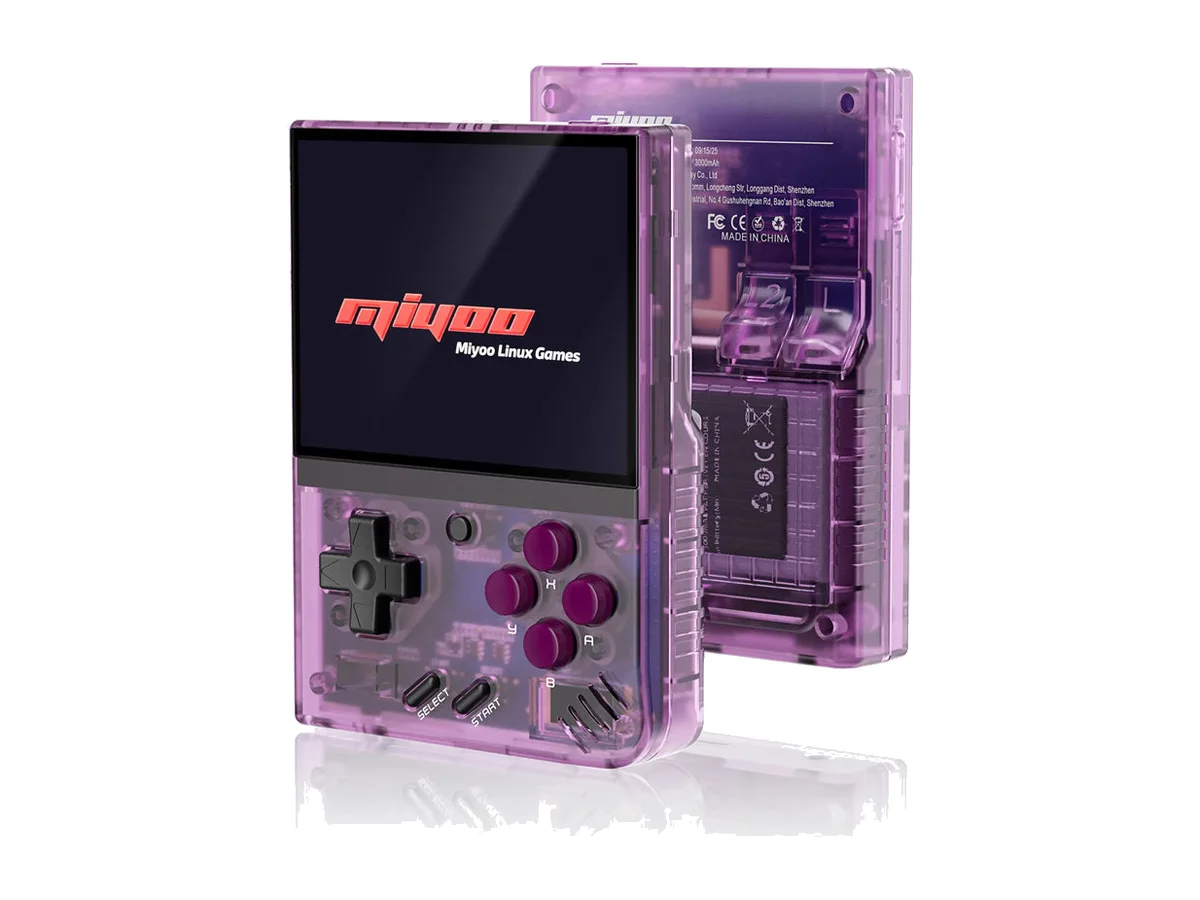
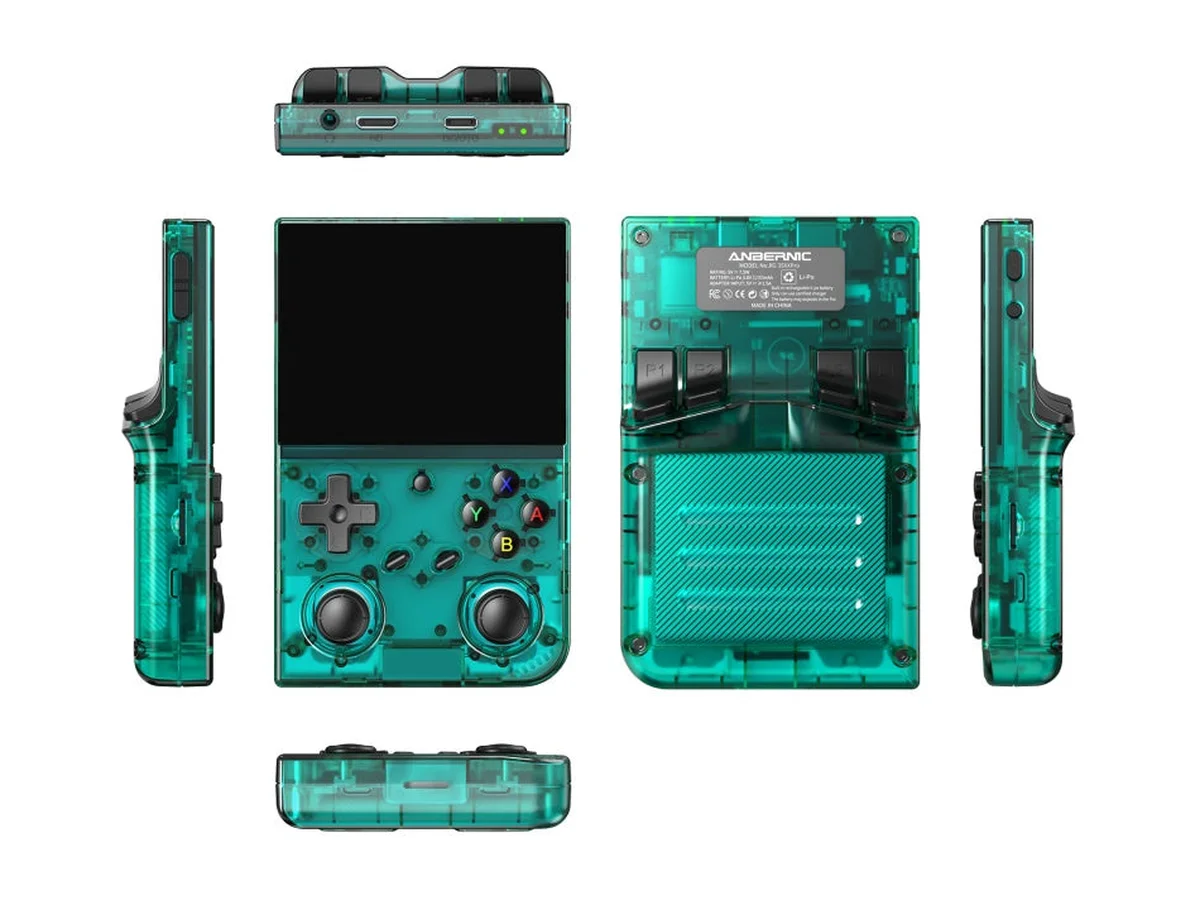
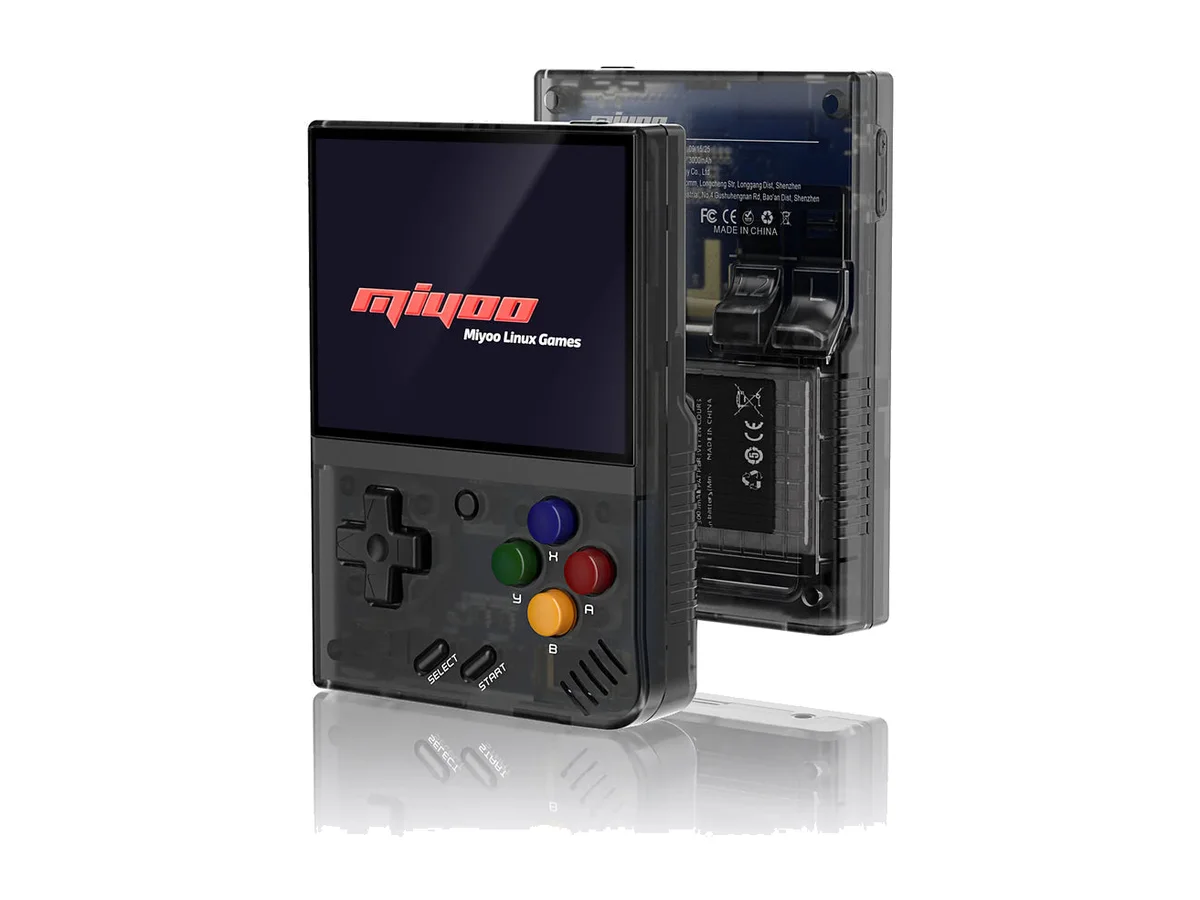
That is why brands like Anbernic, Miyoo, Retroid and AYN sell openly through their own stores and on Amazon. The device is not the problem. The games are a separate question.
What the law does not allow
A commercial game is protected by copyright for a very long time, usually 95 years from publication for games released by companies. Nintendo, Sony, Sega and the other publishers still own the rights to their old catalogues, even when a game has been out of print for decades.
- Downloading a copy of a game you do not own infringes copyright, whether it is free or paid for.
- Sharing copies with friends or online is also infringement, and it is the part publishers pursue most.
- Being abandoned, out of print or hard to find does not change the rule.
- Some systems need a BIOS file, a small program from the console itself. It is copyrighted too, so it should come from a console you own.
We do not link to, name or describe any site that offers game files, BIOS files or packs, and we never will.
Legitimate way 1: copy the games you own
The most common route is making a personal backup of cartridges and discs you own. In the US, this sits in a grey zone that publishers dislike but rarely pursue for personal use: you keep the original, you do not share the copy.
- For Game Boy, Game Boy Color and Game Boy Advance cartridges, a dedicated USB reader such as the Epilogue GB Operator copies the cartridge and its save to a computer.
- For PS1 and PS2 discs, a computer with a DVD drive can create a disc image with free disc imaging software.
- For console BIOS files, the console itself is the source: tools exist to copy the BIOS from hardware you own.
- Copy the files to a good microSD card (our SD card guide explains which), never to a card that came full of games.
Legitimate way 2: homebrew and official releases
Homebrew games are new games made for old systems by independent developers. Thousands exist for the Game Boy, the Game Boy Advance, the NES and the Mega Drive, and many authors publish them free or sell them on sites like itch.io. They run on any retro handheld and are fully legal.
Android handhelds such as the Retroid Pocket 5 also run the Google Play store, where some publishers sell official versions of their classic games. Those are licensed and run natively, no emulator needed.
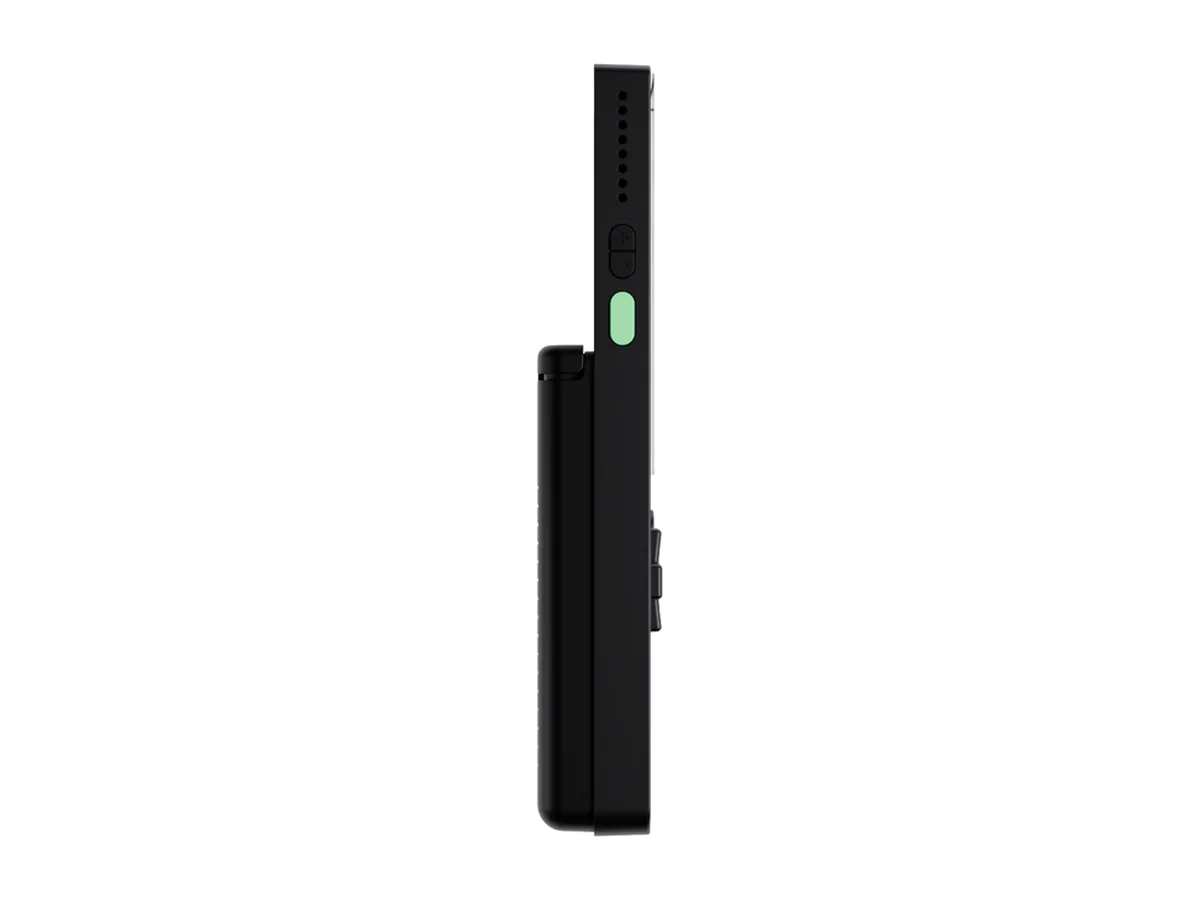
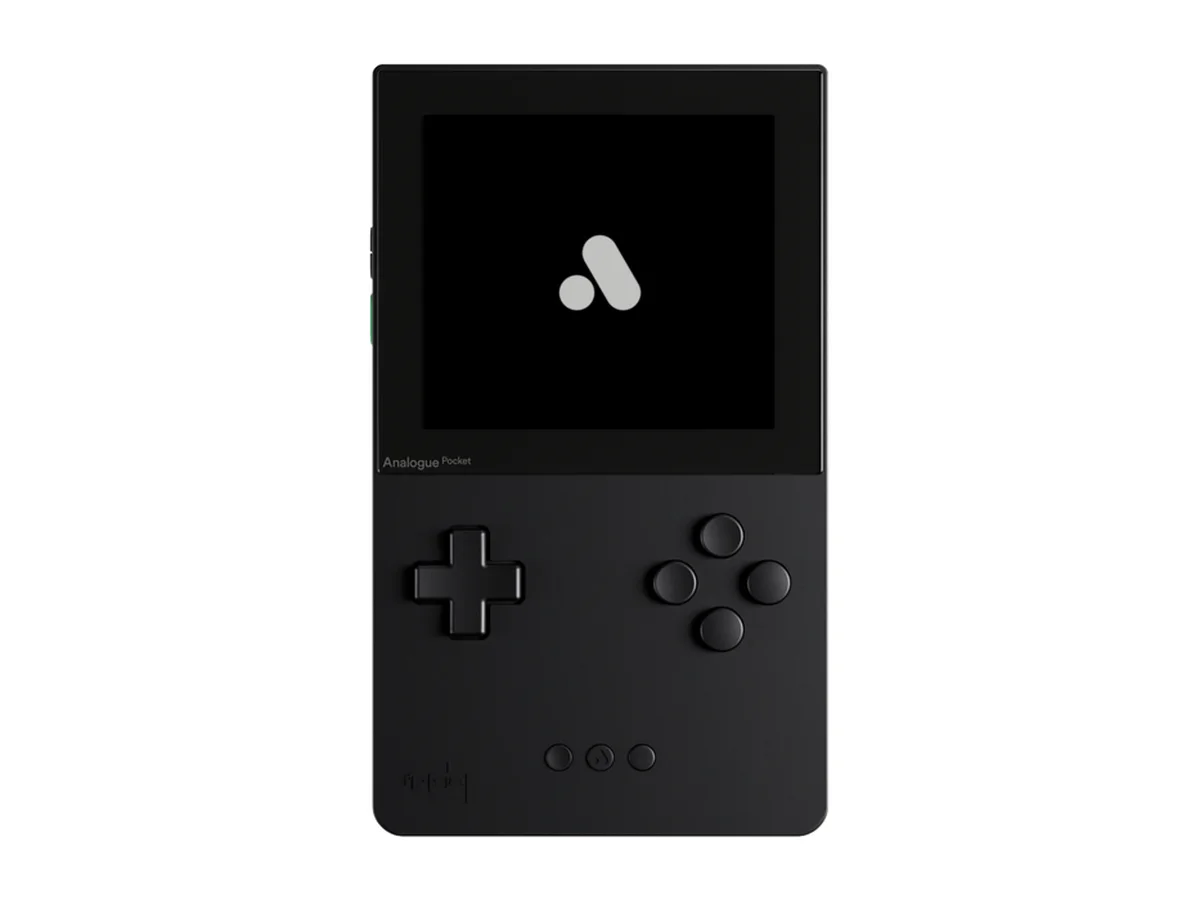
Analogue Pocket9.2/10Read the review
Legitimate way 3: play the cartridges themselves
FPGA consoles recreate the original hardware in programmable logic and read the original cartridges. No game files, no BIOS, no grey zone.
| Console | Plays original cartridges | Power |
|---|---|---|
| Analogue Pocket | Game Boy, Game Boy Color, Game Boy Advance; adapters for Game Gear, Neo Geo Pocket, Atari Lynx, TurboGrafx-16 | Built-in rechargeable battery |
| ModRetro Chromatic | Game Boy, Game Boy Color | 3 AA batteries |
If you still have a shelf of Game Boy cartridges, one of these is the cleanest way to play them on a modern screen.
So which handheld should you buy?
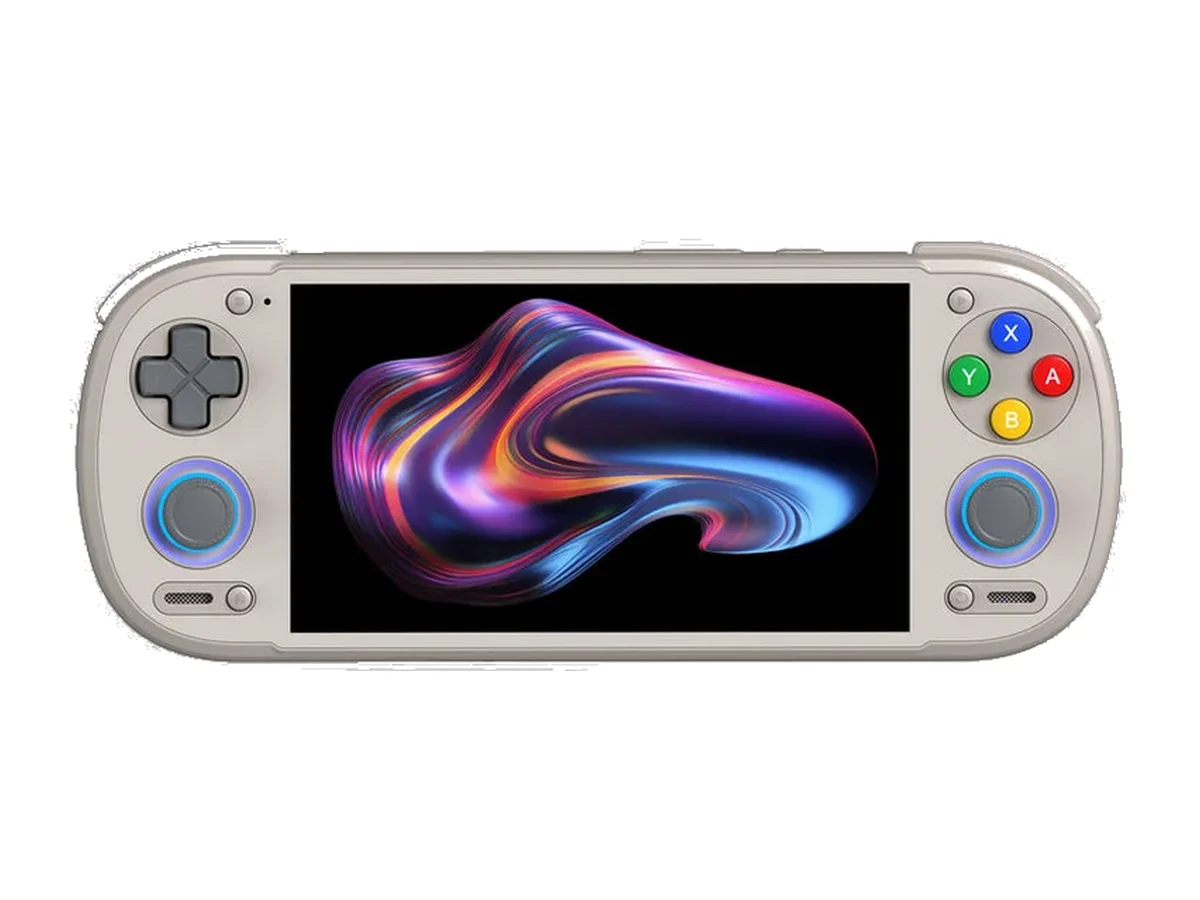
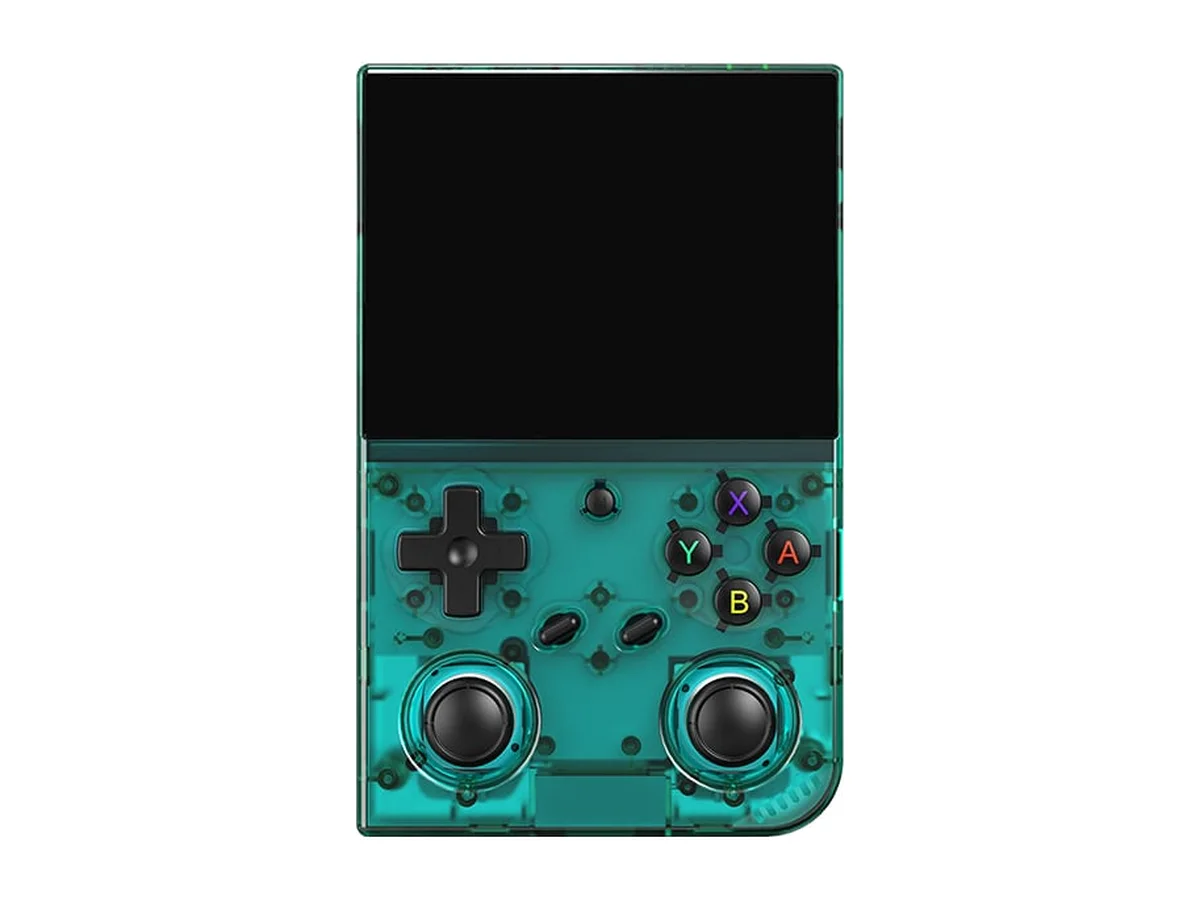
If you own cartridges, an FPGA console. If you own discs and cartridges from several systems and are happy to back them up, an emulation handheld: our best retro handheld ranking covers every budget, from the Anbernic RG35XX Pro to the Retroid Pocket 6.
Figures from official manufacturer spec sheets and US prices checked on November 22, 2026. Images: manufacturers and Amazon; banner photo generated for this site, console unbranded. Scoring: see our methodology.
Our selection
Three rated handhelds mentioned in this guide, at checked US prices.

Frequently asked questions
Are retro handhelds legal in the US?
Yes. The devices and the emulators are legal. What matters is where the games come from: games you own, homebrew and official releases are fine; downloading games you do not own infringes copyright.
Is it legal to download a game I already own?
US law does not clearly allow it. The safer route is copying the cartridge or disc you own yourself, with a dedicated reader or a disc drive, and keeping the original.
What about the card full of games some handhelds ship with?
Those games are almost never licensed. Choose the console-only version when the store offers it, or format the card before you put your own games on it.
Do FPGA consoles need game files?
No. The Analogue Pocket and the ModRetro Chromatic play original cartridges directly.